-
 fingering weight yarn
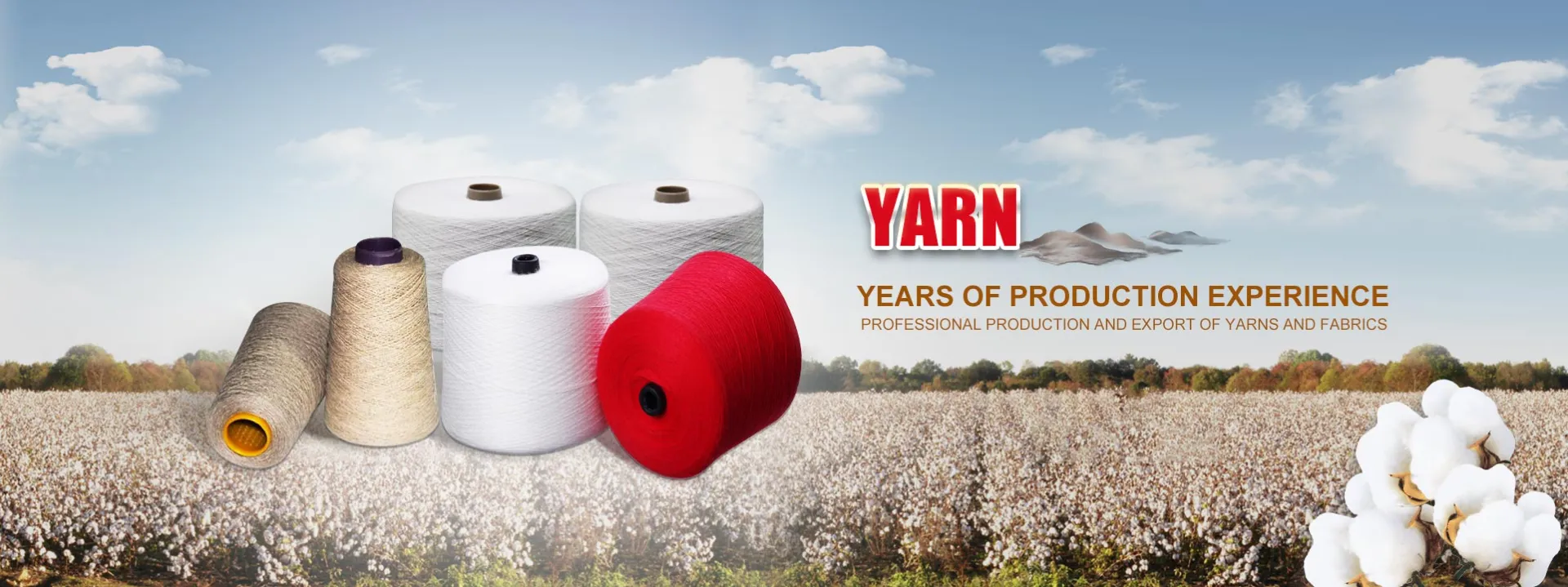
arm knitting yarn,around the table yarns,assigned pooling yarn is a key solution in the Textile manufacturing industry industry, specifically within Yarn manufacturing and Hand woven yarn. This article explores how Hebei Henghe Bangxing New Material Co., Ltd. supports professionals with durable, high-performance products, and explains why this product is an ideal choice for businesses in these sec
-
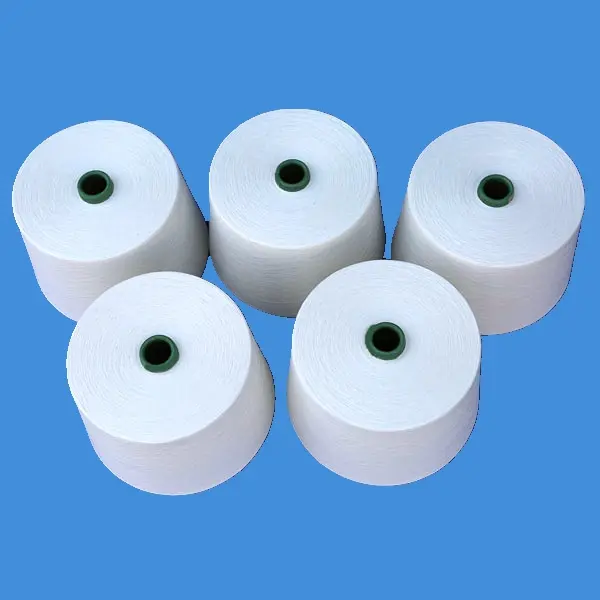 pink yarn
Hebei Henghe Bangxing New Material Co., Ltd. takes pride in offering premium Australian cotton yarn that sets new standards in textile excellence. As one of the leading Australian cotton yarn manufacturers , we specialize in producing high-count 80S combed yarns that combine luxurious softness with exceptional durability. Our innovative cotton merino yarn Australia blends represent the perfect mar
-
 bahan cotton yarn dyed
Hebei Henghe Bangxing New Material Co., Ltd. takes pride in offering premium Australian cotton yarn that sets new standards in textile excellence. As one of the leading Australian cotton yarn manufacturers , we specialize in producing high-count 80S combed yarns that combine luxurious softness with exceptional durability. Our innovative cotton merino yarn Australia blends represent the perfect mar
-
camouflage yarn
Spandex core spun yarn is made of spandex wrapped in short fibers, with spandex filament as the core and non elastic short fibers wrapped around it. The core fibers are generally not exposed during stretching. Spandex wrapped yarn is an elastic yarn formed by wrapping spandex fibers with synthetic filaments, and using spandex fibers as the core. Non elastic short fibers or filaments are wrapped in
-
 sustainable yarn
In the world of luxury textiles, alpaca wool yarn stands out as a pinnacle of softness, warmth, and durability. As discerning consumers and high-end brands increasingly seek sustainable and high-performance materials, alpaca wool has surged in popularity. This comprehensive guide delves into every facet of this exceptional fiber, exploring industry trends, advanced manufacturing like Siro-Spun tec

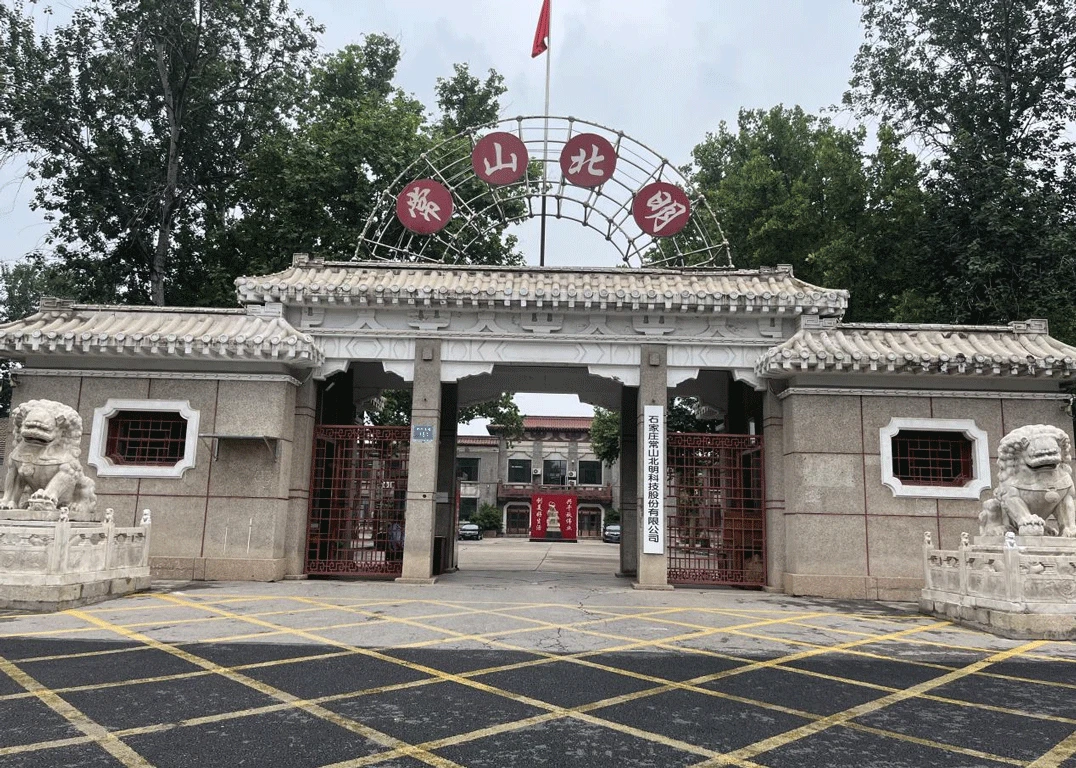
garment fabric manufacturer
Industry Insights, Technical Specifications, and Applications for Fashion Professionals 2024 Industry Report by Textile Experts Hebei Henghe Bangxing New Material Co., Ltd. A leading innovator in high-quality garment fabric wholesale , offering premium materials for global fashion brands since 2005. Website: www.changshanfabric.com Phone: 0311-86255122 Email: mary.xie@changshanfabric.com Mobile: +8613143643931 Address: Room 1503, 15th Floor, Tianli Business Building, No. 34 Guang'an Street, Chang'an District, Shijiazhuang, Hebei Premium Coat & Jacket & Dress Fabric Collection Explore our premium range of fabrics specifically engineered for outerwear and dresses. Combining technical innovation with luxurious comfort, our collection features advanced weaves and sustainable materials that meet the highest industry standards. View Collection Introduction to Garment Fabric Fundamentals The fashion industry relies on diverse garment fabric types to create apparel that meets functional requirements while satisfying aesthetic demands. Understanding fabric properties is critical for designers, manufacturers, and retailers alike. This comprehensive guide explores major garment fabric types , their technical specifications, market trends, and applications. Modern textile science has dramatically expanded the range of casual garment fabric options available. According to the Textile Institute's 2023 Global Report, innovation in sustainable textiles increased by 38% between 2020-2023, with performance fabrics showing the strongest growth in the garment fabric wholesale market segment. Technical Specifications of Major Garment Fabric Types Fabric Type Composition Weight (GSM) Stretch (%) Moisture Wicking Best Applications Cotton Poplin 100% Cotton 110-130 2-5% Medium Shirts, dresses, lightweight jackets Polyester Twill 100% Polyester 180-220 8-12% High Workwear, uniforms, casual pants Wool Blend 70% Wool/30% Polyester 250-350 4-7% Low Coats, blazers, formalwear Stretch Denim 98% Cotton/2% Elastane 280-350 25-40% Medium Jeans, jackets, casual wear Technical Mesh 88% Polyester/12% Spandex 130-160 30-50% Excellent Sportswear, activewear, performance apparel Linen Blend 55% Linen/45% Cotton 150-180 1-3% Medium Summer wear, casual shirts, light dresses *GSM = Grams per Square Meter; Technical data sourced from International Textile Standards Committee Market Trends Analysis: Garment Fabric Preferences The garment fabric wholesale market has shown significant shifts in material preferences, particularly toward sustainable and performance fabrics. According to Fashion Revolution's 2023 Transparency Report, natural-synthetic blends now represent 42% of all casual garment fabric purchases, showing 17% growth year-over-year. Fabric Technology: Professional FAQ What GSM range is appropriate for different seasonal garments? GSM (Grams per Square Meter) requirements vary by garment type and season: Summer wear: 110-160 GSM lightweight fabrics like voile or light poplin Spring/Fall garments: 160-220 GSM midweight fabrics such as twill or sateen Winter apparel: 220-350 GSM heavier materials including flannels and coatings Performance outerwear: 300+ GSM technical fabrics with thermal properties Technical Reference: ISO 3801:1977 Textiles - Woven fabrics - Determination of mass per unit length and mass per unit area What are the industry standards for stretch classification in garment fabrics? The stretch classification system established by the Global Stretch Fabric Association categorizes fabrics as follows: No stretch: < 5% elasticity Minimal stretch: 5-15% elasticity Moderate stretch: 15-30% elasticity Super stretch: 30-50% elasticity Ultra stretch: 50%+ elasticity Tested according to ASTM D2594-20 Standard Test Method for Stretch Properties of Knitted Fabrics Having Low Power How does fabric composition impact moisture management properties? Fabric composition significantly affects moisture management capabilities: Natural fibers (cotton, wool): Absorb moisture effectively but dry slowly Synthetics (polyester, nylon): Hydrophobic nature promotes moisture wicking Bamboo/Tencel®: Excellent wicking with natural bacteriostatic properties Blended fabrics: Combine benefits of different fibers for balanced performance Moisture management is quantified using AATCC TM 195:2018 Liquid Moisture Management Properties of Textile Fabrics What sustainable fabric certifications should designers prioritize? The most recognized sustainability certifications in garment textiles include: Global Organic Textile Standard (GOTS): Comprehensive ecological and social criteria OEKO-TEX® Standard 100: Independently verifies materials free from harmful substances bluesign®: Focuses on sustainable manufacturing at each production stage Better Cotton Initiative (BCI): Promotes sustainable cotton farming practices GRS (Global Recycled Standard): Certifies recycled content claims Each certification addresses different aspects of the production chain. The most comprehensive is GOTS certification. What technical innovations are emerging in high-performance textiles? Recent innovations transforming the textile industry include: Phase-change materials (PCMs): Micro-encapsulated materials that absorb, store and release heat Self-cleaning coatings: Photocatalytic treatments using titanium dioxide nanoparticles Conductive textiles: Fiber-integrated electronics for smart clothing applications Plant-based leather alternatives: Next-gen materials grown from mycelium or fruit waste 4D-knitting technology: Advanced programming for seamless, engineered knits Research Reference: MIT Media Lab, Textile Futures Research Centre (2023) How should designers calculate fabric consumption efficiently? Professional pattern engineers use this formula for accurate fabric estimation: Fabric Consumption (in meters) = (Garment Length + Sleeve Length + Allowances) / Fabric Width Key factors affecting calculation: Marker efficiency (typically 80-90% for woven fabrics) Pattern piece rotation capabilities Fabric shrinkage percentage Repeat patterns or directional prints Modern CAD systems like Lectra and Gerber AccuMark automate this process with precise algorithms. What are the minimum colorfastness standards for commercial apparel? International colorfastness requirements established by AATCC and ISO: Lightfastness: Minimum Grade 4 (ISO 105-B02) Washfastness: Minimum Grade 3-4 (ISO 105-C06) Rubbing fastness: Minimum Grade 3 (Dry), 2-3 (Wet) (ISO 105-X12) Perspiration fastness: Minimum Grade 3-4 (ISO 105-E04) Chlorinated water: Minimum Grade 3 (ISO 105-E03) Premium brands typically require grade 4+ across all tests, especially for dark colors. Industry References & Research Sources Textile Horizons Journal: "2024 Forecast: Sustainable Fabric Innovations" (https://textilehorizons.org/forecast-2024) Global Textile Forum: White Paper on Circular Economy in Fashion (https://globaltextileforum.org/circular-fashion-paper) International Textile Manufacturers Federation: World Textile Survey 2023 (https://itmf.org/world-textile-survey-2023) Fashion Revolution: Transparency Report 2024 (https://www.fashionrevolution.org/transparency-report) AATCC Technical Manual: 2024 Edition (https://aatcc.org/technical-manual) MIT Materials Science Journal: "Next-Generation Performance Fabrics" (https://materialsscience.mit.edu/performance-textiles) Our research team continually monitors industry developments to provide the latest insights on garment fabric types for professionals. Ready to Explore Premium Fabric Solutions? Contact Hebei Henghe Bangxing New Material Co., Ltd. for expert consultation and garment fabric wholesale opportunities Request Sample Collection
-
Manufacturing Bases
0
-
Spindles
0
-
Years Of Experience
0
-
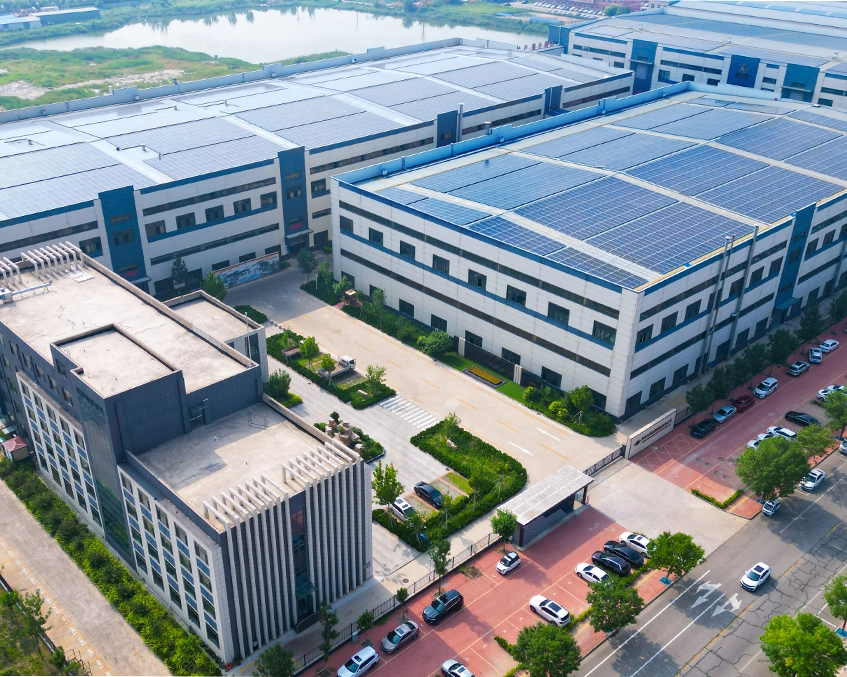
Factory Scale
0
Feel Free To Contact Us
Want To Know More?
We focus on high-quality customization of home textiles, combining fashionable design with durable craftsmanship to add comfort and style to your home life.
Contact Us
-
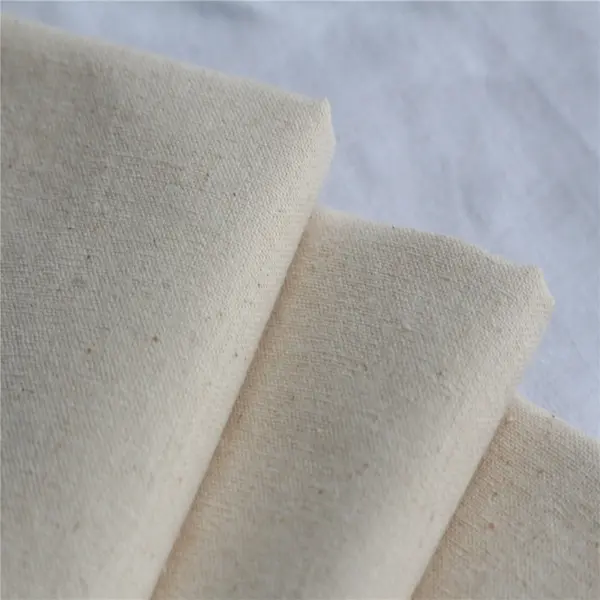
The 2024 China International Textile Fabric and Accessories (Autumn/Winter) Expo
2026-04-02 17:38https://www.changshanfabric.com/images/auto/changshanfabric-6401.webp
-
Recycle Polyester Yarn-Hebei Henghe Bangxing New Material Co., Ltd.|Sustainable Innovation&Eco-Friendly Textile Solutions
2026-04-02 16:17https://www.changshanfabric.com/images/auto/5Li75Zu-MTMuanB.webp
-
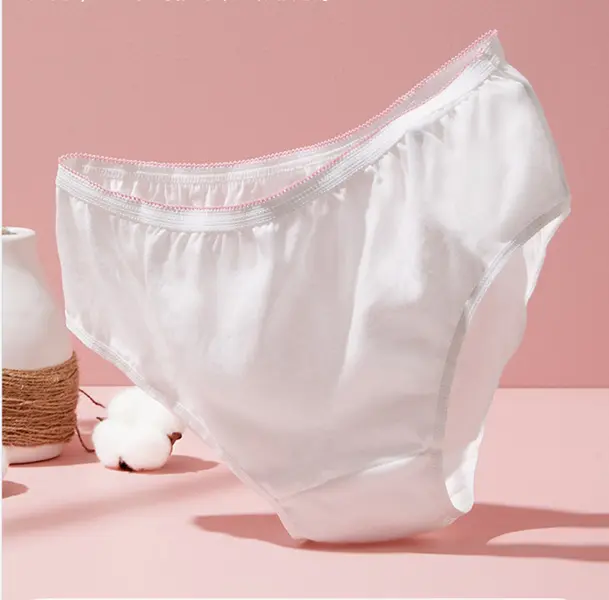
Expansion of the application of singeing and etching processes
2026-04-02 16:10https://www.changshanfabric.com/images/auto/54On5q-bLnBuZw=.webp
 Skin-friendly
 Versatile
 Durable
 Assured
-
Navigation
-
Main products
-
Navigation
-
Contact Us
 kewin.lee@changshanfabric.com

Room 1503, 15th Floor, Tianli Business Building, No. 34 Guang'an Street, Chang'an District, Shijiazhuang, Hebei
Copyright © 2025 Hebei Henghe Bangxing New Material Co., Ltd. All Rights Reserved. Privacy Policy